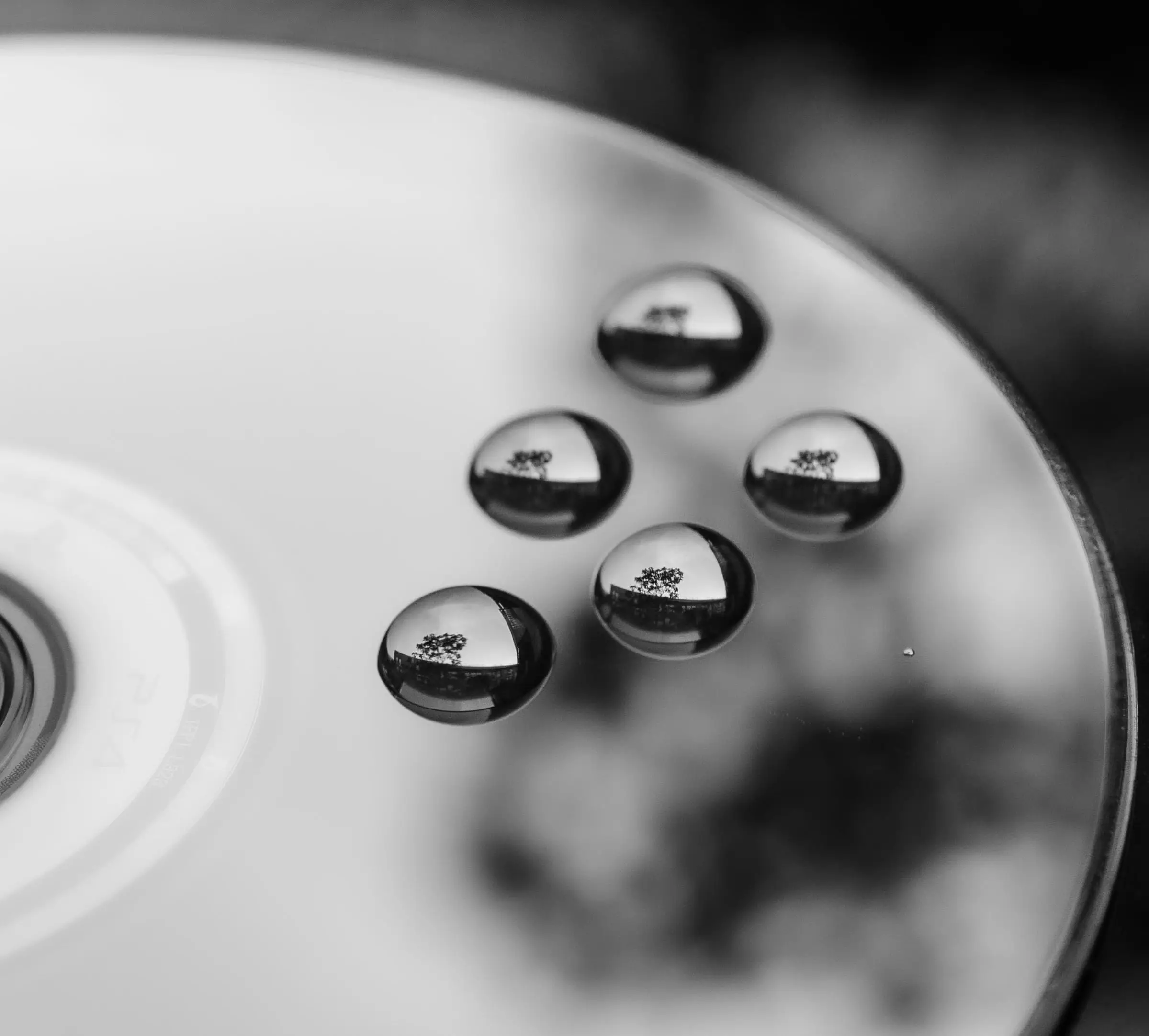

CDs are back in my life, and no, I’m not joking. Here’s why I started buying them again, what I love about it, and why the skip button is officially on a break.
The Return of the Compact Disc
Once upon a time, before playlists ruled the world and algorithms decided what you should feel, there was the humble compact disc. It was shiny, fragile, and strangely sacred. You owned it. You touched it. You stacked it on a shelf like a trophy of taste and teenage rebellion. Then streaming came along and turned music into background noise.
But here we are in 2025, and somehow, against all odds, CDs are creeping back into people’s lives. The same people who swore they’d never buy another piece of plastic now stand in thrift stores, squinting at jewel cases like archaeologists uncovering artifacts of their own youth. Turns out, the compact disc never really died. It just went quiet for a while.
If you enjoy reading about how music shapes memory, check out my post Wacken Open Air 2025 Review: Metal, Rain, Pure Energy.
Why Physical Media Still Surprise Us
Physical media have a strange kind of magic. When everything else lives behind screens and logins, holding something tangible feels oddly revolutionary. You cannot update a CD. You cannot lose access to it because a company changed its terms of service. You buy it, you keep it, and it plays every single time. That permanence feels radical in a culture obsessed with convenience and impermanence.
It Started With One CD (Okay, Three)
I did not plan to start buying CDs again. Honestly, it felt like a mild regression, like buying low-rise jeans or signing up for a Hotmail account. But then I saw a few of my old favourite albums at a flea market. CHF 2 each. Complete with the little booklets I used to study like sacred texts. And just like that, I was holding all my teenage moods in plastic jewel cases.
Naturally, I bought three. Just to see how it feels. Only after I got home did I realise I do not even own a CD player anymore. Except, wait. The Xbox. My trusty, mostly-dusty Xbox still has a disc drive. So yes, the next thing I knew, I was loading a CD into my gaming console like it was the year 2006 and I was waiting for the dial-up to connect.
The music started. I did not skip. I did not shuffle. I just listened. And honestly, it kind of blew my mind.
The Flea Market Moment
There is something oddly poetic about finding music in a pile of forgotten things. It is not an algorithm that recommends it. It is serendipity. I was not served these albums by a platform. I found them by accident, like bumping into an old friend who still smells like the same perfume and bad decisions.
The Thrill of the Hunt
One of the unexpected joys of buying CDs again is the hunt. Instead of scrolling, you search. Fingers trace over dusty cases until something unexpected appears, something you didn’t know you needed. It is like a treasure hunt for grown-ups who still have a bit of pirate energy left.
The Joy of the Physical: Rediscovering Tangibility
There is something deeply satisfying about holding music in your hands. The click of the case. The faint smell of paper and plastic. The cover art that is actually big enough to see. You do not just scroll past an album when it is staring at you from a shelf, silently demanding attention.
The Power of Tangibility
Touch has power. Neuroscience tells us that tactile experiences reinforce memory and emotional connection. A CD is not just sound, it is a multisensory ritual. You open it, read the lyrics, flip through the artwork, and by the time you hit play, you are already invested.
Booklets! Remember those? Lyrics printed in fonts you could barely read, awkward photos, thank-you notes to people you have never heard of. These were not random details. They were context. Holding an album, you are not just listening, you are participating in the artist’s world.
It Is Not Just Nostalgia (Mostly, But Not Only)
Sure, nostalgia is part of it. But this is not about living in the past. It is about reclaiming presence. CDs remind me that music used to be something you made time for. Something you prepared for. You did not half-listen while doom-scrolling through social media. You sat down and pressed play.
And CDs have aged surprisingly well. Unlike, say, ultra-thin eyebrows or Myspace profiles. They are reliable, stable, and immune to corporate mood swings. They do not vanish because your favourite streaming service lost a licensing deal.
Slower, Louder, Better: Listening Without Algorithms
Listening to a CD is slower. And better for it. There is no autoplay. No suggestions. No interruptions. Just track one through twelve in the order the artist intended. That pacing changes how you engage with music. It demands attention, and it rewards it.
The sound feels louder, maybe even more alive. Digital compression flattens everything, but CDs breathe with warmth and texture. Even the silence between songs turns into anticipation.
When I play an album straight through, I notice things I never caught before. A bass line that hums just under the surface, a lyric that hits differently now that I am older, a transition that feels like a heartbeat.
Supporting Artists the Real Way: Why Buying CDs Matters
Streaming made music cheap to consume, but it also made it disposable. The convenience is great for listeners but brutal for musicians. A million streams might buy you a coffee, if you are lucky. Buying a CD, though, that is real support. It is a direct statement: I value what you made enough to own it.
The Streaming Problem
Let us be honest. Streaming pays artists about as well as applause pays rent. It is an ecosystem built on abundance and invisibility. The more you listen, the less it is worth. And algorithms do not promote quality, they promote stickiness.
When I stream, I am part of the problem. When I buy, I am part of the solution.
Ownership and Fair Pay
Owning music is powerful. It is a declaration of independence from corporate playlists. When you buy it, you really buy it. No one can take it away.
Supporting artists this way keeps the entire culture alive. The same spirit you feel at a live show, that raw, chaotic, beautiful energy, is what you are funding when you purchase their work. It is not charity. It is reciprocity.
When You Buy It, You Play It: Relearning Commitment
Streaming encourages restlessness. You skip after 15 seconds, chase a dopamine hit, and move on. CDs demand commitment. You are not going to swap discs every three minutes, so you stay with the music. That physical limitation turns into presence.
Sitting still, I listen and stay with it. In 2025, that feels like a small act of rebellion.
Practical Bonus Points: The Analog Advantage
CDs do not show you ads. They do not buffer. They do not judge your taste. They do not suddenly disappear because some licensing deal went sideways. They just play.
Bonus Perks
- They still work in old cars.
- They survive bad moods and spilled coffee.
- They look great in alphabetised stacks.
- They make excellent conversation starters.
CDs are the introverts of the music world: quiet, reliable, and weirdly comforting once you get to know them again.
My Listening Setup: The Tech Behind the CDs
Before diving into the technical setup, I realised how satisfying it is to mix old habits with new tools. It is not just about the gear, but about creating a space where listening feels intentional again.
Old Meets New
Modern tech actually makes CDs easier to enjoy. A cheap USB drive turns any laptop into a player again. Bluetooth adapters connect disc players to wireless speakers. You can be retro without feeling like a technophobe.
I love that balance, old-school medium, new-school playback. The click of the tray meets the smooth hum of digital speakers. It is nostalgia with a firmware update. You can find more about FIIO at fiio.com.
Simple, Functional, and Personal
My setup is basic. A small CD player from FIIO, decent speakers, and a notebook nearby for scribbling thoughts. It is amazing how less tech can make the experience more human.
What I Have Relearned About Music: Listening with Intention
CDs brought back something I had lost, the discipline of listening. I forgot how it felt to sit with an album, to experience the highs and lows, the transitions, the intentionality of it all.
Each album is a story. And when you listen straight through, you hear the arc the artist designed. That is what my music challenge taught me too: when you stop skipping, you start discovering.
Albums as Stories
The hits are fine, but the hidden tracks are where the soul hides. Sometimes the weird songs become your favourites once you stop treating them like filler. Albums are more than collections of singles. They are chapters of an idea.
When I listen like that, music becomes mindfulness.
A New Kind of Mindfulness: The Anti Algorithm Ritual
Listening to CDs has become my antidote to the attention economy. I cannot multitask when I am flipping discs. I cannot doom scroll while reading liner notes. It is deliberate. Analog mindfulness.
It is funny, people pay for meditation apps to be present, but listening to a full album accomplishes the same thing. You breathe slower. You focus longer. You feel more.
Every time I load a disc, I am reminded that art is supposed to slow us down, not speed us up.
Final Thoughts: Less Swipe, More Play
So yes, I am buying CDs again. I listen to full albums. I read liner notes. I let the music play, even when it gets weird halfway through. And it feels, honestly, kind of wonderful. Not perfect. Not trendy. But real.
One of the first CDs I bought? Slipknot. Because apparently my early twenties self is still alive somewhere, calmer but still weirdly soothed by double bass drums and controlled chaos. Still hits.
Physical media may never dominate again, but that is fine. CDs do not need a comeback tour. They just need listeners who care.
If you have still got a dusty box of discs under your bed, maybe it is time to pull it out. See what memories are hiding inside. Because sometimes, the best way forward starts by pressing play on the past.