
Mental health isn’t just about avoiding burnout or keeping your cool in traffic. It’s the foundation for everything: how you think, feel, connect, and recover from chaos. Improving it isn’t about perfection; it’s about balance. The good news? You don’t need to meditate on a mountaintop to get there.
The Science Behind Mental Health
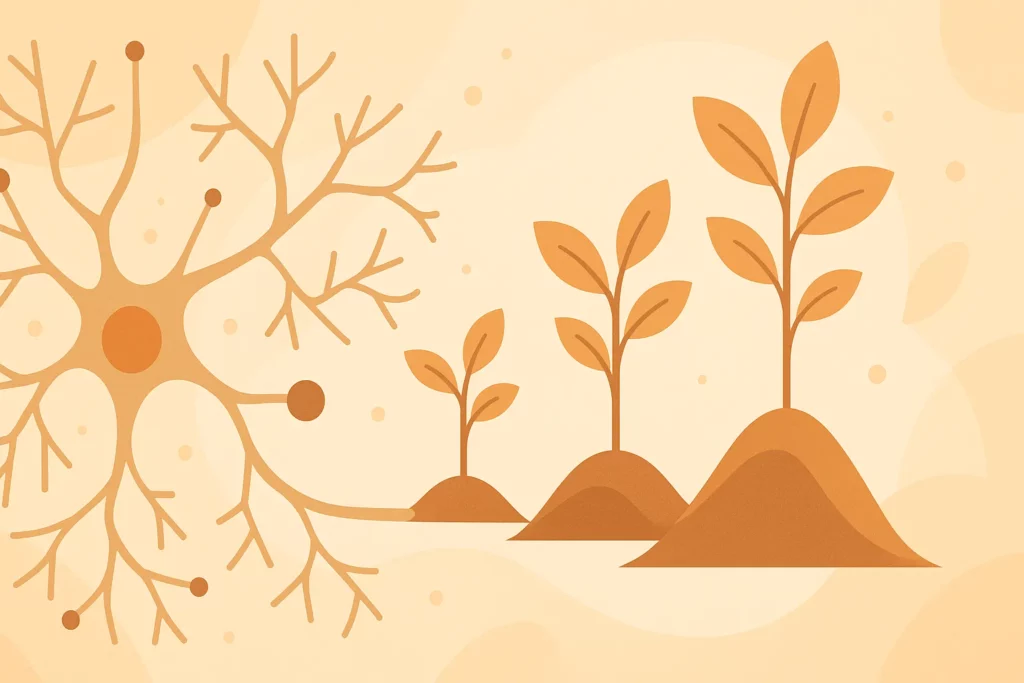
Your mental health is a dance between biology, psychology, and environment. Your brain’s chemistry and structure influence mood, memory, and resilience. Neurotransmitters, tiny chemical messengers like serotonin and dopamine, act like the DJs of your emotional playlist. When their rhythm is off, your mood can skip a beat.
Hormones and genetics play a role too, but your environment is the true stage. Stress at work, social isolation, sleep deprivation, and poor nutrition can all disrupt mental balance. Even your light exposure affects mood and energy levels through your circadian rhythm, the body’s internal clock that tells you when to wake, sleep, and recharge. If you’ve ever worked nights, you know how powerfully this rhythm influences both mind and body.
Interestingly, your brain is not static; it’s always rewiring itself. Neuroplasticity means your mind can heal and grow through learning, therapy, or new habits. This is why consistent mental health habits can have lasting effects. Small, repeated actions such as mindfulness, social connection, or better sleep change brain circuits over time.
And yes, science agrees: lifestyle is medicine. Studies show that regular physical activity, social engagement, and a balanced diet all strengthen neural resilience. So when you nurture your mental health, you’re literally reshaping your brain.
If you want to see this interplay in real life, think about how disrupted sleep patterns affect mood and focus. I explore this further in my post on Mental Health During Night Shifts, where I dive into how irregular schedules impact the mind and body. The takeaway remains the same: your brain and body are a team, and both need proper care to perform well.
Why Mental Health Matters
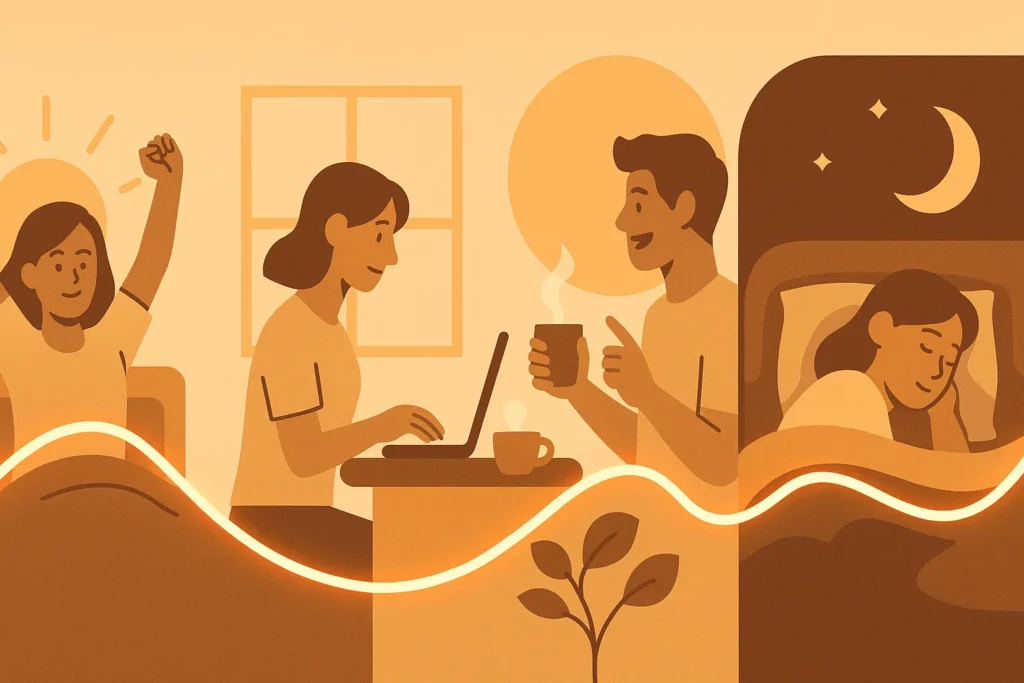
Our mental health influences how we experience everything, from the way we wake up in the morning to how we connect with others at night. It shapes our reactions, our focus, and even our physical energy. Understanding why it matters helps us recognize that caring for our mind isn’t optional; it’s essential for a balanced, meaningful life.
What Is Mental Health?
Mental health is the sum of your emotional, psychological, and social well-being. It shapes how you handle stress, relate to others, and make choices.
Why Good Mental Health Is Important
A healthy mind is your life’s engine. It influences motivation, focus, and how you respond to setbacks. Without it, even small challenges feel overwhelming.
Mental Health and Physical Health
The two are deeply connected. Chronic stress can weaken your immune system, increase inflammation, and affect your sleep cycles. To learn more about how your body clock and mental health interact, read my post on Shift Work And Health, where I explore how irregular schedules can affect your mood, energy, and focus.
Mental Health and Emotions
Good mental health doesn’t mean feeling happy all the time; it means being able to process emotions and bounce back after hard days.
Relationships and Community
Connection keeps us grounded. Humans are wired for belonging, and strong social ties are one of the best predictors of long-term well-being.
Everyday Benefits
Mental wellness makes you more creative, adaptable, and focused. It sharpens your decision-making and helps you find joy even in the ordinary.
Why Prioritize Mental Health
Because prevention is easier than repair. Investing in your mental health today protects your future self from burnout and emotional exhaustion.
The Relationship Between Resilience and Mental Health
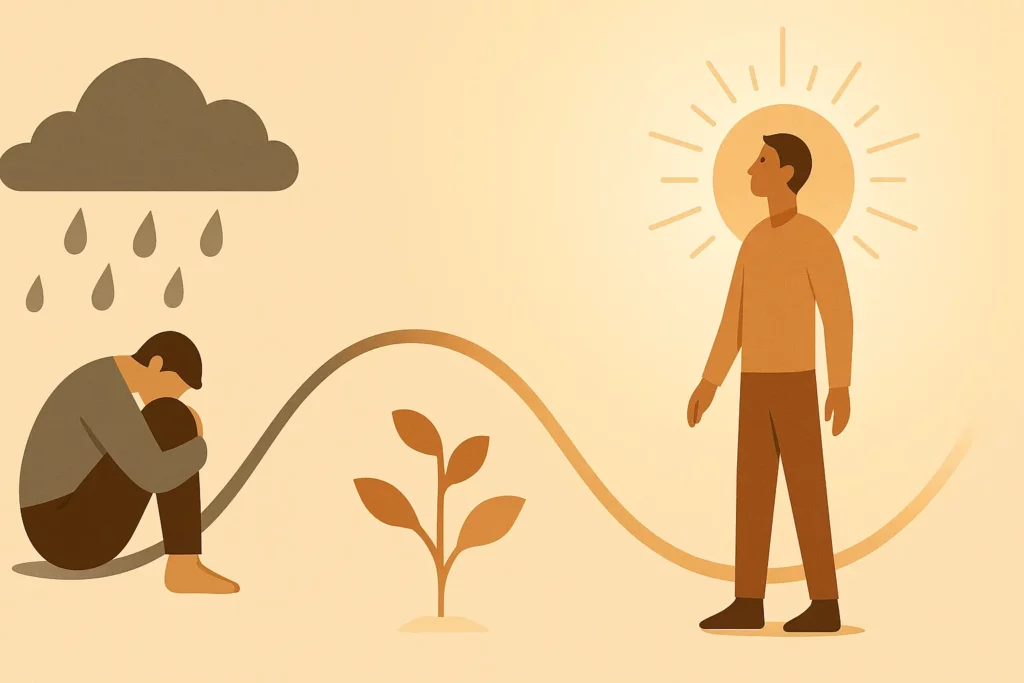
Resilience is one of those quiet strengths we often overlook until life tests us. It’s the bridge between struggle and recovery, the invisible thread that helps us bounce back when things fall apart. Understanding this connection reveals why resilience is not just a personality trait but a vital part of mental well-being.
What Is Resilience?
Resilience is your ability to recover from stress and keep moving forward. Think of it as psychological elasticity: bending, not breaking, under pressure.
How Does Resilience Support Mental Health?
When life throws curveballs, resilience acts as a shock absorber. It helps regulate stress hormones like cortisol and keeps emotions from spiraling. People with strong resilience cope better with change, loss, and failure, and they recover faster.
Can You Build Resilience?
Absolutely. It’s like a muscle that strengthens with practice. Reflection, gratitude, and problem-solving build emotional endurance. So does having a sense of purpose, whether that’s caring for others, creating something meaningful, or simply refusing to give up.
What Happens Without Resilience?
Without it, stress lingers longer, anxiety heightens, and hope fades faster. You become more vulnerable to burnout and depression. The good news? Even small daily routines, such as mindful breathing or journaling, train your brain to adapt instead of collapse.
How to Improve Mental Health

Let’s skip the clichés. Improving mental health isn’t about bubble baths or toxic positivity. It’s about building sustainable routines that support your mind, body, and relationships. For a deeper look into how the brain heals and rebuilds focus, check out my post on Recovering Cognitive Function, which explores how rest, mindfulness, and intentional habits strengthen cognitive resilience.
Connect with Others
Loneliness is as bad for your health as smoking fifteen cigarettes a day. Make time for people who make you feel safe and seen. Even a quick coffee chat can lift your mood and remind you that you’re not alone in this weird, messy world.
Move Your Body
Exercise boosts serotonin and dopamine, which directly improve mood. You don’t need to become a marathon runner—walk your dog, dance in your kitchen, or stretch before bed. Movement is momentum.
Eat Healthy Foods
Food fuels your brain. Omega-3s, leafy greens, and fermented foods feed your gut microbiome, which influences your mood more than you might think. The gut-brain axis is real, and your mental clarity often starts in your stomach.
Get Enough Sleep
Lack of sleep messes with focus, emotion regulation, and immune function. Sleep isn’t lazy; it’s brain maintenance. During deep sleep, your mind clears waste and consolidates memory. Rest allows your brain to recharge, sharpen focus, and strengthen emotional balance. Making sleep a priority is one of the most powerful ways to support your overall mental well-being.
Practice Mindfulness and Gratitude
Mindfulness rewires your brain toward calmness. Gratitude, on the other hand, trains your attention to focus on what’s working instead of what’s missing. Together, they’re like a mental gym for resilience.
Spend Time in Nature
Nature resets your stress system. Even ten minutes outside can lower cortisol and blood pressure. Forests, oceans, or parks all give your brain a break from screens and noise.
Limit Harmful Substances
Alcohol, nicotine, and excess caffeine can mess with mood stability and sleep. They may feel comforting short term but often worsen anxiety and fatigue.
Set Realistic Goals
Small wins matter. Break big tasks into manageable steps, and celebrate progress, not perfection. The satisfaction of moving forward fuels motivation and confidence.
Mental health improvement strategies are not one size fits all. Try things out, track how you feel, and adjust. The aim isn’t to fix yourself; it’s to care for yourself.
Mental Health in the Digital Age
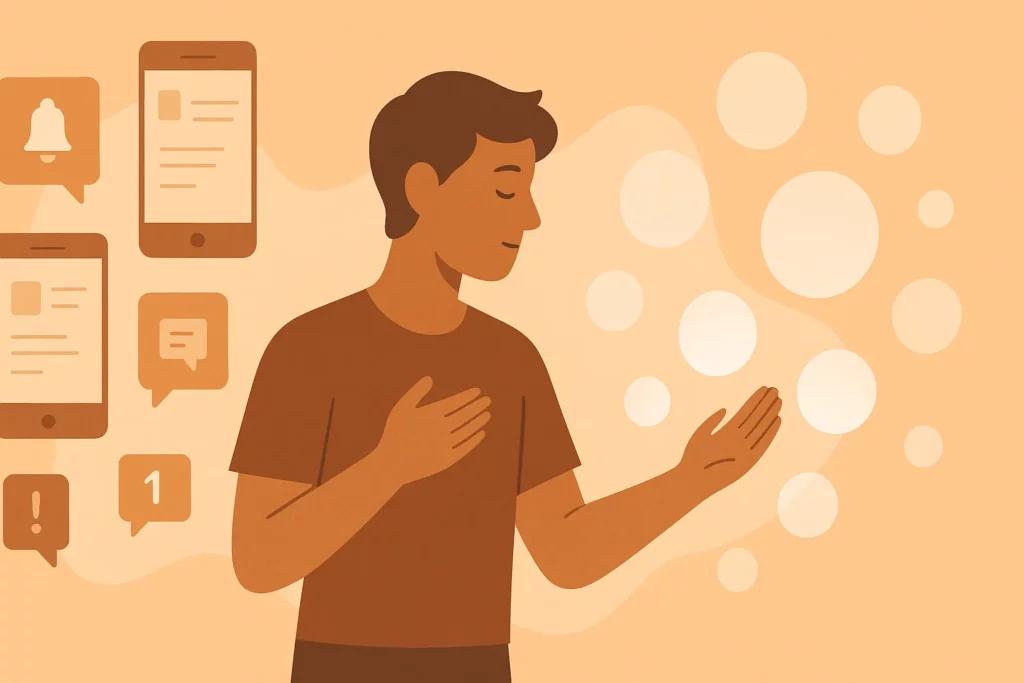
We live in a world where our phones rarely leave our hands, our minds scroll as fast as our thumbs, and peace often hides behind airplane mode. This section explores how our digital habits shape mental well-being, highlighting both the benefits of connection and the hidden costs of constant connectivity.
What Has Changed
Technology has given us tools to connect, learn, and grow, but it has also changed how we process information and rest. Notifications compete for attention, and endless scrolling can hijack focus and mood.
Positive Effects
Digital platforms can connect people across the globe, provide access to therapy, and spread awareness. Mental health apps and online communities make self-help more accessible than ever.
Challenges and Risks
Too much screen time, misinformation, and comparison culture can harm self-esteem and sleep. Studies show that constant exposure to social media can increase anxiety and loneliness. Prolonged mental overstimulation also affects how well your brain recovers from digital fatigue. I’ve written more about this in my own mini essay on cognitive recovery, where I explore how the mind regains clarity, focus, and calm after long stretches of digital overload.
How to Stay Mentally Healthy
Set boundaries. Mute notifications, schedule screen-free time, and curate your feeds to include content that genuinely inspires you. Replace doom-scrolling with digital minimalism and mindful use.
The Future of Digital Mental Health
AI-driven therapy, virtual reality relaxation spaces, and biofeedback wearables are emerging frontiers. The key is balance: use technology as a tool, not a trap.
When to Seek Help

If daily stress turns into daily struggle, or if sadness, anxiety, or exhaustion interfere with your work, sleep, or relationships, it’s time to reach out. Therapy isn’t weakness; it’s maintenance. Mental health professionals help you unpack emotions, identify triggers, and build coping skills. Even one session can start a shift in perspective. If you ever feel hopeless, please contact your local crisis hotline or a trusted professional. Healing starts with asking for help.
Conclusion

Mental health isn’t a destination; it’s an ongoing practice. It’s the courage to show up, take breaks, and try again. By connecting with others, moving your body, and caring for your inner world, you create a foundation strong enough to weather whatever comes next. The brain you nurture today will thank you tomorrow.
Frequently Asked Questions
Curiosity is often the first step toward change. This section answers some of the most common questions people have when they start exploring their own mental well-being, offering simple insights and practical reminders to keep you grounded and growing.
What are signs of declining mental health?
Persistent sadness, irritability, fatigue, or loss of interest in things you once enjoyed. You might struggle to focus or feel detached from others. Physical symptoms like headaches or insomnia can also appear.
What are simple daily habits to boost mental health?
Hydrate, move, get sunlight, sleep enough, and express gratitude. Talk to someone daily, even if it’s brief. Small consistent actions compound over time.
Can hobbies improve mental health?
Absolutely. Creative outlets reduce stress, enhance focus, and give your brain a sense of accomplishment. Whether it’s painting, gardening, or music, hobbies act as healthy escapes.
How long does it take to notice improvement?
It varies. Some people feel better after a few days of improved sleep or exercise. Others need weeks of consistent effort. Think of it as training your mental muscles; they strengthen gradually.
Are mindfulness apps helpful or just trendy?
Many are backed by research. Apps like Headspace or Calm use evidence-based mindfulness practices that can reduce stress and anxiety if used consistently. But apps are tools, not magic.
What if I don’t have time for self-care?
Start small. One deep breath before replying to an email. A short walk at lunch. Mental health habits don’t have to be grand gestures; they’re moments of awareness woven into ordinary days.
Disclaimer: This article is intended for informational and educational purposes only. It does not replace professional medical or psychological advice, diagnosis, or treatment. If you’re experiencing emotional distress or mental health difficulties, please reach out to a qualified healthcare provider or licensed therapist.
Evidence Corner
- Physical Activity and Mental Health: Schuch, F. B., Vancampfort, D., Richards, J., Rosenbaum, S., Ward, P. B., & Stubbs, B. (2016). Exercise as a treatment for depression: A meta-analysis adjusting for publication bias. Journal of Psychiatric Research, 77, 42–51.
DOI: https://doi.org/10.1016/j.jpsychires.2016.02.023 - Mindfulness and Emotional Regulation: Khoury, B., Lecomte, T., Fortin, G., Masse, M., Therien, P., Bouchard, V., Chapleau, M. A., Paquin, K., & Hofmann, S. G. (2013). Mindfulness-based therapy: A comprehensive meta-analysis. Clinical Psychology Review, 33(6), 763–771.
DOI: https://doi.org/10.1016/j.cpr.2013.05.005 - Sleep and Cognitive Function: Walker, M. P. (2009). The role of sleep in cognition and emotion. Annals of the New York Academy of Sciences, 1156, 168–197.
DOI: https://doi.org/10.1111/j.1749-6632.2009.04416.x - Social Connection and Longevity: Holt-Lunstad, J., Smith, T. B., & Layton, J. B. (2010). Social relationships and mortality risk: A meta-analytic review. PLoS Medicine, 7(7), e1000316.
DOI: https://doi.org/10.1371/journal.pmed.1000316